


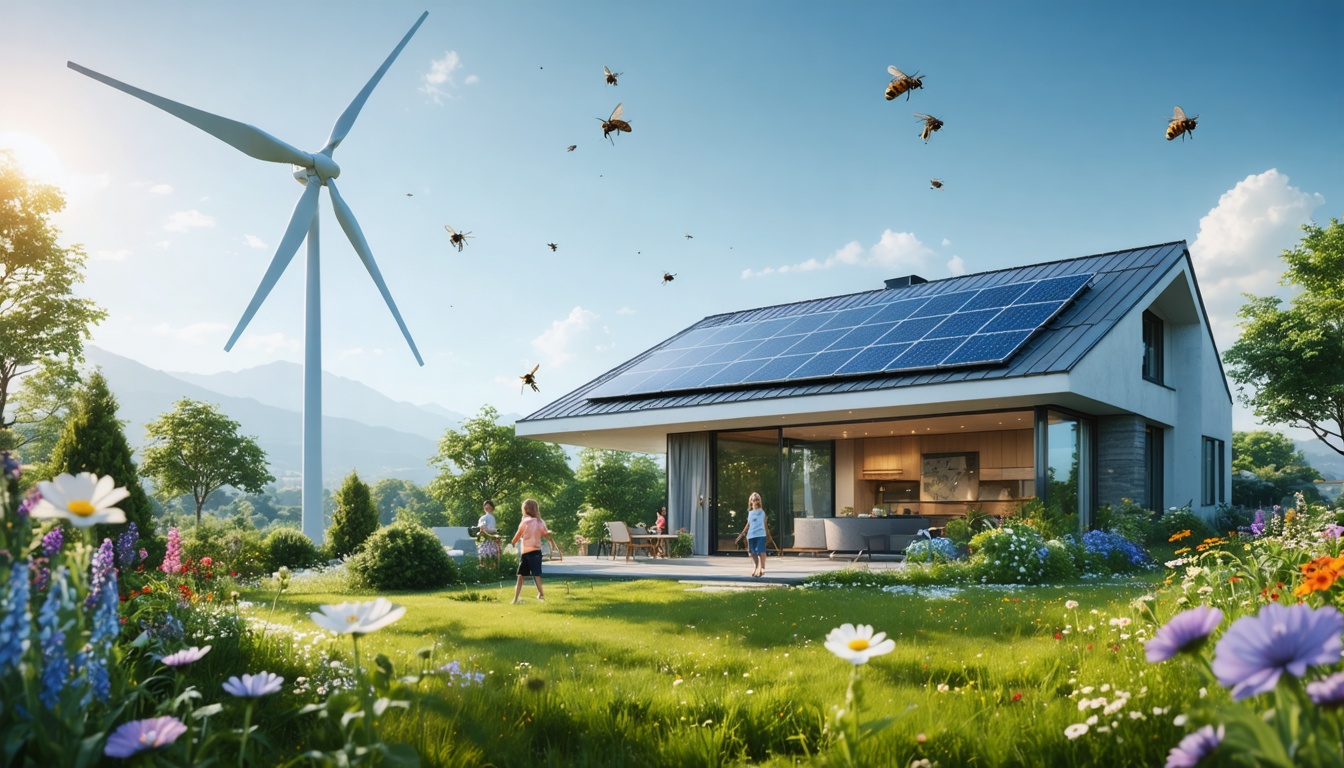
The Environmental Benefits of Choosing Renewable Energy at Home
Switching to renewable energy at home impacts both individual households and the broader environment. By utilizing renewable sources such as solar, wind, or hydroelectric power, households can significantly reduce their carbon footprint, thereby lowering greenhouse gas emissions. This shift contributes to decreased air pollution, which has been linked to various health problems, thus supporting healthier communities. In addition to environmental benefits, adopting renewable energy can also lead to resource conservation. Renewable energy sources are abundant and sustainable over the long term, reducing reliance on finite fossil fuels. This transition not only helps preserve natural resources but also stabilizes energy prices over time, which can result in cost savings for consumers. Furthermore, the local economy may benefit from the increase in demand for renewable technologies. This may lead to job creation in installation, maintenance, and manufacturing sectors related to renewable energy. Consequently, investing in renewable energy can foster economic growth within communities. Overall, the transition to renewable energy is a multi-faceted decision that embodies environmental responsibility and economic consideration, with implications that extend beyond mere energy consumption.
What Defines Renewable Energy?
Renewable energy is generated from resources that are naturally replenished, such as sunlight, wind, water, and biomass. These energy sources are considered sustainable and provide a reliable means of energy supply, positioning them as practical alternatives to traditional fossil fuels.
Technologies like solar panels, wind turbines, and heat pumps are employed to convert these resources into electricity and heating solutions for residential use. The adoption of renewable energy contributes to a reduction in carbon dioxide emissions, which can help mitigate air pollution and support objectives aimed at achieving Net Zero emissions.
In many regions, including the United States, governments offer various incentives, such as tax credits, to encourage the use of cleaner energy solutions. The establishment of renewable energy infrastructure—encompassing power generation facilities and regional supply chains—has the potential to create jobs and improve overall electricity generation, while also enhancing air quality.
Furthermore, renewable energy systems typically have lower long-term maintenance costs, which can alleviate some economic and environmental challenges related to climate change.
Key Environmental Advantages of Home Renewables
Choosing home renewable energy sources, such as solar panels or wind turbines, leads to a quantifiable reduction in environmental impact. For residents in Virginia, exploring Solar Energy Services in Virginia can provide tailored solutions to reduce dependence on fossil fuels and contribute to Net Zero goals. These systems decrease dependence on fossil fuel-based electricity and heating, which are major sources of carbon emissions and greenhouse gases.
The yearly deployment of residential renewable technologies, including solar panels and heat pumps, is significant in lowering carbon output and reducing the demand for fossil fuels.
Additionally, generating electricity through renewable means helps protect natural resources and is linked to job creation in the expanding green economy. This transition not only promotes environmental protection but also contributes to the development of more sustainable energy systems on a global scale.
Impact on Air Quality and Public Health
Energy use is a critical component of modern society, and the sources of energy employed significantly influence air quality and public health. Transitioning to renewable energy sources—such as solar panels, heat pumps, electric vehicles, and wind turbines—may lead to a decrease in carbon emissions and lower atmospheric levels of carbon dioxide. According to research, the combustion of fossil fuels for electricity and heating accounts for approximately 7 million premature deaths each year due to air pollution.
By choosing cleaner energy generated from renewable resources, individuals and communities can help achieve Net Zero targets, promote job creation, and address economic challenges linked to pollution. Furthermore, when supply chains prioritize sustainable practices over traditional fossil fuels, urban areas may experience enhancements in air quality and health outcomes.
Overall, the movement towards renewable energy sources is aligned with environmental goals and presents potential public health advantages.
Water Conservation and Biodiversity Support
When assessing energy options, it is important to examine their impact on emissions, water resources, and biodiversity. The shift from fossil fuel power plants to renewable energy sources—such as solar panels, heat pumps, and wind turbines—has been shown to significantly decrease water consumption, with estimates suggesting reductions of nearly three times per unit of electricity produced.
Sustainable electricity generation typically results in low greenhouse gas emissions and contributes to the reduction of both air and water pollution.
Progress towards achieving Net Zero can lead to the preservation of natural resources, alleviate climate change effects, and enhance biodiversity. The transition to cleaner fuel sources is vital for protecting ecosystems and can be viewed as a long-term strategy for increasing economic resilience.
Incorporating renewable energy into the overall energy portfolio represents a pragmatic approach, supporting both environmental sustainability and economic objectives while aligning with efforts for ecological protection and climate stabilization.
Economic and Social Gains from Renewable Adoption
The adoption of renewable energy at the residential level offers various economic and social benefits that can be quantified. The transition to renewable sources such as solar panels, wind turbines, and heat pumps leads to a reduction in carbon dioxide emissions, which can improve air quality in local communities.
In addition to enhancing environmental conditions, this transition may lower household energy expenses, particularly due to available tax credits and declining costs associated with renewable technologies.
Recent studies indicate that the widespread adoption of renewable energy solutions could facilitate the creation of approximately 16.2 million jobs worldwide. By reducing dependence on fossil fuels and traditional power plants, communities can enhance their energy security and significantly lower greenhouse gas emissions.
These efforts are crucial for addressing climate change impacts at the local level.
In summary, the shift towards Net Zero solutions has the potential to support Sustainable Action, enhance economic activity in the United States, and contribute positively to environmental and public health outcomes.
Challenges of Integrating Home Renewables
Integrating renewable energy systems into residential properties involves several practical challenges, despite a growing interest in cleaner energy alternatives. A primary obstacle is the substantial initial investment required for equipment such as solar panels, wind turbines, and heat pumps. While various tax incentives may exist at local or state levels to help offset these costs, they often do not eliminate the financial burden entirely, which can deter homeowners from proceeding with installations.
Additionally, transitioning to a Net Zero energy model can be further complicated by supply chain disruptions and regulatory hurdles that may impede the timely installation and operation of these systems. Geographic factors also play a critical role in the viability of renewable energy sources; for example, regions with limited sunlight or inadequate wind resources face significant constraints on their ability to generate electricity.
Furthermore, financial considerations extend beyond the initial costs. Access to various financing options can be restricted for some homeowners, and challenges associated with energy storage may impact the reliability of electricity and heating produced from renewable sources.
Addressing these challenges is essential for the United States to make meaningful advancements in reducing carbon emissions and fostering broader adoption of sustainable energy solutions.
The Role of Renewable Energy in Climate Change Mitigation
Greenhouse gases are a major factor in climate change, making the transition to cleaner energy sources a critical approach in addressing this challenge. The implementation of renewable technologies, including solar panels, heat pumps, and wind turbines, can lead to a significant reduction in carbon emissions related to electricity generation and heating.
By adopting cleaner fuel sources, urban areas, supply chains, and individual households can reduce their dependence on fossil fuels, thereby decreasing air pollution levels. This is particularly significant given the health implications of air pollution, which is associated with approximately 7 million premature deaths each year.
The generation of renewable electricity, the integration of electric vehicles, and the adoption of sustainable heating solutions are fundamental components of a comprehensive strategy aimed at achieving Net Zero emissions. The transition to renewable energy is designed to lower greenhouse gas emissions and is also linked to the potential creation of new employment opportunities, alongside enhancements in air quality.
Economically, the shift towards renewable energy sources can contribute to stability and growth in local and global markets. In summary, the adoption of renewable energy solutions represents a pragmatic method for addressing climate change and its related consequences.
Conclusion
Choosing renewable energy for your home can have significant environmental benefits. Utilizing renewable energy sources such as solar, wind, and geothermal contributes to a reduction in greenhouse gas emissions. This is important because greenhouse gases are a major contributor to climate change. Moreover, renewable energy systems help conserve natural resources. Unlike fossil fuels, which are finite and contribute to environmental degradation through extraction processes, renewable sources are often more sustainable. The use of these resources also correlates with improved air and water quality, as they typically produce little to no pollution during operation. Adopting renewable energy can have economic implications as well. Increasing demand for renewable energy systems can foster job creation in sectors such as manufacturing, installation, and maintenance. This can provide a boost to local economies. While there are challenges associated with transitioning to renewable energy, such as initial costs and infrastructural limitations, the long-term benefits support a move towards a more sustainable energy future. The cumulative impact of individual decisions to adopt renewable energy sources can contribute significantly to broader environmental improvements.